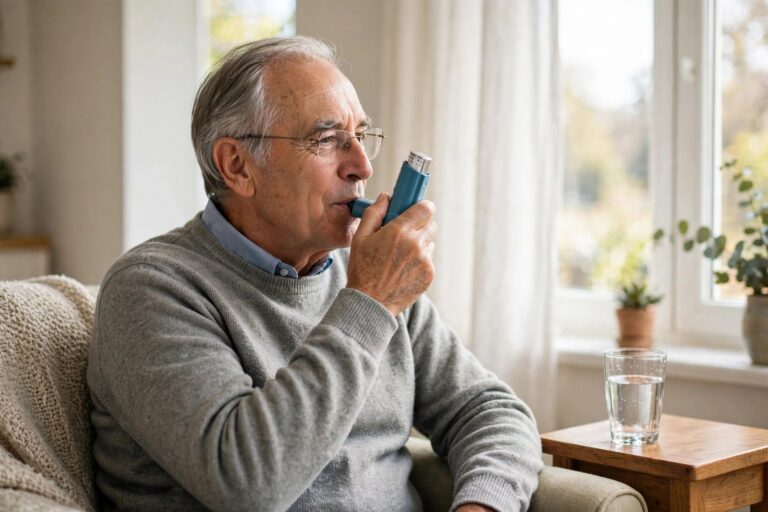
When people picture COPD clinical trials, they usually picture a new inhaler being tested against an old one. That trial exists, but it is only one lane of a much wider road. Chronic obstructive pulmonary disease is really an umbrella over conditions — chronic bronchitis and emphysema are the two named most often by MedlinePlus — and because the disease touches breathing mechanics, inflammation, muscle strength, and daily stamina all at once, researchers attack it from several directions at the same time. Understanding which lane a study sits in tells you more about what joining it would actually be like than any brochure.
Lane one: medicines, the classic COPD clinical trials
The most familiar lane tests drugs. Some candidates try to open airways more effectively or for longer than current bronchodilators. Others aim at the inflammation underneath, particularly for patients whose flare-ups keep coming despite standard therapy — researchers increasingly sort volunteers by blood markers and flare-up history to find the subgroup a drug actually helps. These studies typically compare the candidate against a placebo or an existing treatment, on top of the care you already receive; joining rarely means abandoning your current inhalers. The outcomes researchers track go beyond lab numbers: flare-up frequency, hospital visits, walking distance, and how breathless ordinary tasks feel. If you want the landscape view before the lane view, our companion piece on exploring COPD clinical trials maps how this research field is organized.
Lane two: procedures for lungs that trap air
In emphysema, damaged sections of lung can balloon outward and crowd the healthier tissue that remains. A second lane of research tests procedures meant to shrink or bypass those overinflated areas — small valves placed through a bronchoscope are one much-studied approach — so the rest of the lung has room to work. These are not drug studies at all: they involve imaging, anesthesia, and a hospital team, and their screening is correspondingly strict. The National Heart, Lung, and Blood Institute’s COPD overview explains the underlying damage these procedures try to work around. Volunteers for procedure studies are usually people with advanced disease whose symptoms stay heavy despite doing everything else right — and the screening scans exist to find the specific anatomy the device was designed for.
Lane three: the trials with no drug in them at all
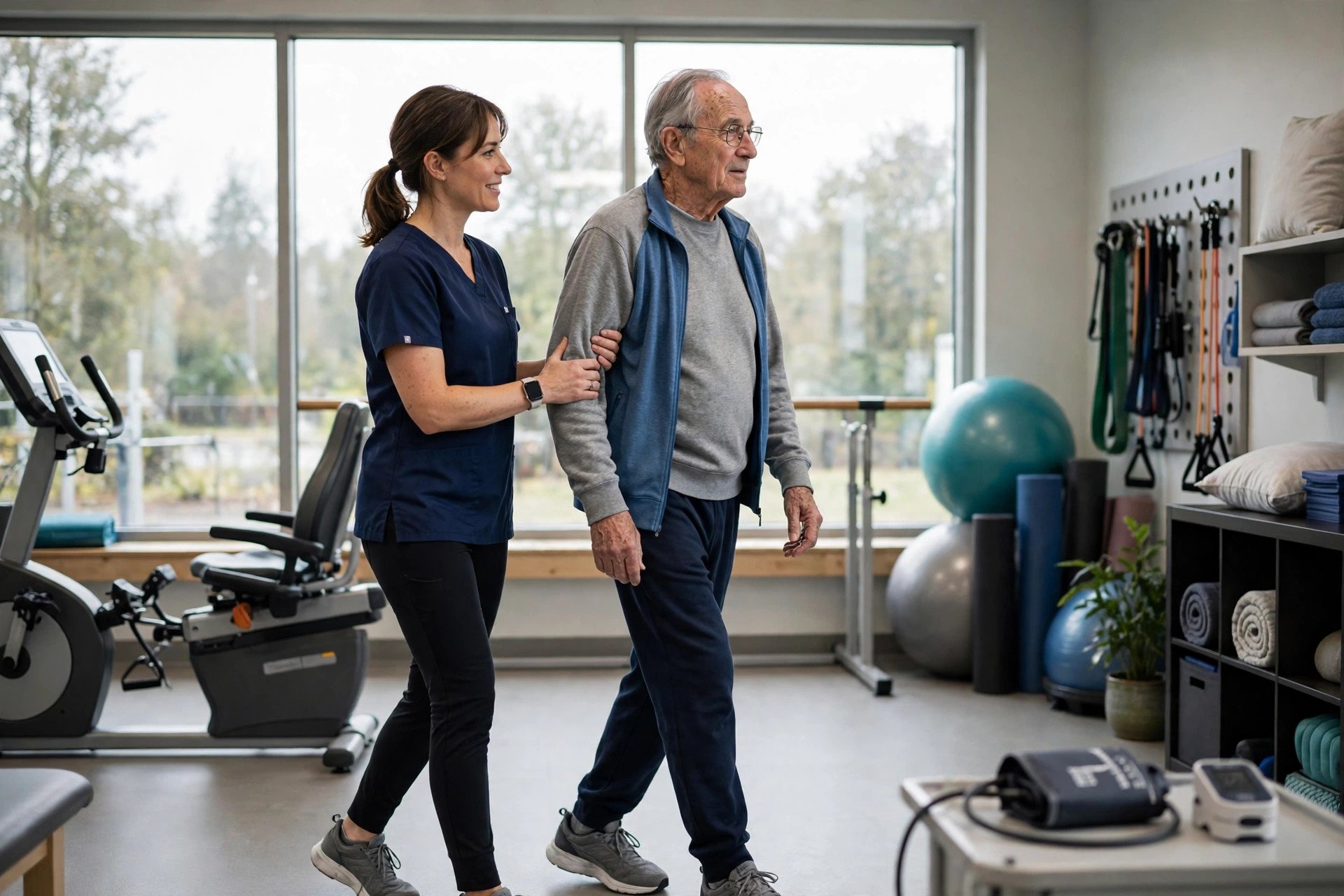
The third lane surprises people most. Pulmonary rehabilitation — supervised exercise, breathing training, and coaching — has strong evidence behind it, and researchers keep testing how to deliver it better: at home versus in a clinic, with remote monitoring, in shorter or longer programs. Other studies test oxygen strategies, vaccination timing, sleep problems that overlap with COPD, and ways to keep people active after a flare-up lands them in the hospital. These trials ask for your time and effort rather than your tolerance of an experimental molecule, which suits some volunteers far better. The same pattern shows up across respiratory research; our look at asthma clinical trials found studies there also testing delivery and self-management, not just new compounds.
The quiet fourth lane: studies that only watch
One more category deserves mention because it asks the least of volunteers and gives the field its longest view. Observational studies and registries do not test a treatment at all — they follow people with COPD over months or years, recording flare-ups, hospitalizations, medication changes, and quality of life, sometimes with periodic lung-function testing or imaging. That long record is how researchers learn what the disease actually does outside the artificial frame of a short trial, and it is how future studies find their best questions. For volunteers, these studies are the gentlest entry point into research: few visits, no experimental anything, and the knowledge that your ordinary years with this disease are data somebody needs. Many participants in drug and procedure trials first appear on researchers’ radar through exactly these registries, which makes joining one a low-commitment way to keep the door open to everything else in this article.
What screening is really checking
Every COPD trial screens, and the screening is more specific than people expect. Expect spirometry — blowing into a machine that measures how much air you move and how fast — because studies define eligibility by lung-function numbers, not by diagnosis alone. Expect questions about smoking history, flare-ups in the past year, oxygen use, and every inhaler you take, since some studies need people on stable therapy and others need people whose therapy is failing. This is also why a rejection from one study says little about the next: each protocol draws its box differently. Volunteers who keep a simple file — latest lung-function results, medication list, flare-up dates — move through screening far faster than those reconstructing it from memory.
Finding a study and asking sharper questions
The public registry ClinicalTrials.gov lists COPD studies by location and status, and each listing names the condition pattern, the intervention, and a contact. Before you call, write down three things: which lane the study is in, how many visits it demands and where, and what happens to your regular care during it. Ask who pays for travel, whether your own pulmonologist stays in the loop, and what the exit looks like if you want out — leaving is always allowed, and a well-run study says so plainly. Research literacy transfers, too: the habits that help you read a COPD listing are the same ones that help with any condition, as readers of our guide to understanding tinnitus clinical trials will recognize. COPD research moves slowly and carefully, but it moves — and it moves because people with the disease volunteer to be measured.