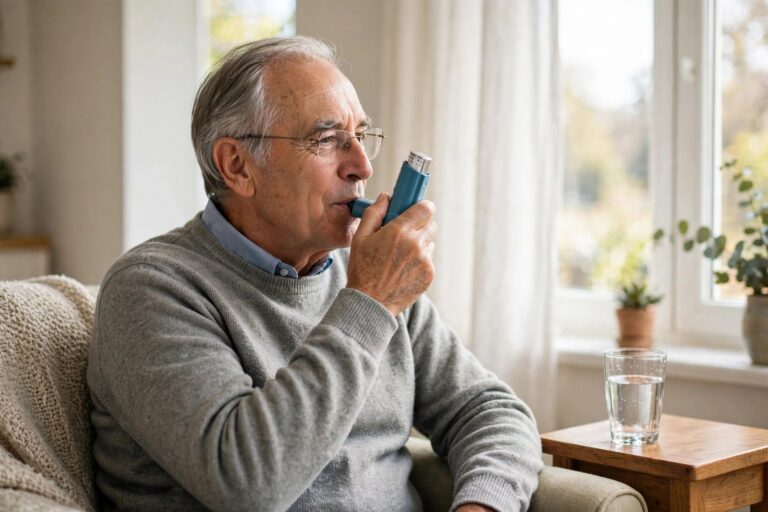

Every heart medicine and device in use today earned its place the same way: through cardiovascular clinical trials. These are research studies where volunteers test new treatments under close medical supervision, so researchers can learn what works, what does not, and what is safe. If you live with heart disease — or simply have risk factors you want to get ahead of — a trial can be one way to reach newer care while helping the next patient too.
What “cardiovascular” actually covers
Heart disease is the leading cause of death in the United States, and it is an umbrella term rather than a single illness. The most common type is coronary artery disease, which develops slowly as a sticky substance called plaque builds up in the arteries feeding the heart muscle. As those arteries narrow, the results can include angina (chest pain from reduced blood flow), a heart attack, heart failure, or an arrhythmia — a problem with the rate or rhythm of the heartbeat. Other heart diseases affect the valves or the heart muscle itself. Cardiovascular clinical trials exist for nearly all of these problems, plus prevention studies for people who have risk factors but no diagnosis yet.
Risk factors matter here because they shape who studies are looking for. High blood pressure, high cholesterol, diabetes, obesity, family history and smoking all raise the odds of heart disease. Smoking sits near the top of that list, which is why our guide to smoker clinical trials is worth reading alongside this one — quitting studies and heart studies often recruit the same people.
What cardiovascular clinical trials test
Not every study is a new pill. Heart research runs in several lanes at once:
- New medicines. Studies test drugs for cholesterol, blood pressure, heart failure and rhythm problems, as well as blood thinners meant to prevent clots and strokes.
- Devices and procedures. Researchers evaluate stents, replacement heart valves, pacemaker-style devices and new surgical or catheter techniques against the current standard.
- Prevention and lifestyle programs. Some trials test diet, exercise, sleep or coaching programs to see whether they measurably lower risk before disease takes hold.
- Rehabilitation and recovery. Cardiac rehabilitation programs are studied too, to learn which mix of exercise and education helps people most after a heart event.
Sleep is part of the picture more often than people expect. Untreated sleep apnea strains the heart night after night, and our overview of sleep apnea clinical trials shows how that corner of cardiovascular research works. Circulation problems beyond the heart count as well — readers curious about vein research can see how varicose vein clinical trials are run.
Who can join a cardiovascular clinical trial?
Every study sets its own rules, called eligibility criteria. A trial for a new heart-failure medicine may want adults with a specific diagnosis and a certain level of heart function. A prevention study may recruit healthy volunteers whose only qualification is a family history or borderline cholesterol. Age ranges, other medical conditions and current medications can all matter — some medicines cannot be paused safely, and study teams will never ask you to stop a treatment your heart depends on just to qualify.
If you do not qualify for the first study you find, that is normal, not a verdict. Different studies need different people, and new ones open constantly. The screening process itself usually involves medical history questions, a physical exam, blood work and heart tests such as an electrocardiogram, all explained before you agree to anything.
You also do not need to be sick to take part. Prevention studies regularly enroll people whose hearts are fine today but whose blood pressure, cholesterol or family history puts them on a watch list. For those volunteers, a trial can double as unusually thorough heart monitoring — regular checks, labs and imaging they might never schedule on their own — while the data they generate helps researchers learn how to stop heart disease before it starts rather than only treating it afterward.
What taking part actually involves
After screening, participation typically means a schedule of study visits over weeks or months. You might receive the treatment being tested, a standard treatment for comparison, or in some designs a placebo alongside usual care. Visits can include blood draws, heart imaging, exercise tests and questionnaires about how you feel day to day. Sponsors generally cover the study treatment and the tests done for the research, and you can leave a study at any time, for any reason — that right is built into the consent form you sign before starting.
Keep your regular cardiologist in the loop. A trial adds a research team around your care; it does not replace the doctor who knows your history.
Risks worth weighing honestly
A treatment being studied is, by definition, not fully proven. Side effects may be unknown, the new approach may work no better than standard care, and the visit schedule can be demanding. Balanced against that: participants are monitored closely, often more closely than in ordinary care, and studies follow strict safety rules with independent oversight. Ask the study team three plain questions before signing — what is already known about this treatment, what happens if it does not help me, and who pays if I am harmed. A good team will answer all three without rushing you.
How to find a study
ClinicalTrials.gov, the registry run by the U.S. National Library of Medicine, lists studies by condition, location and eligibility. Search “cardiovascular” plus your specific condition — heart failure, atrial fibrillation, high cholesterol — and read the eligibility section before calling. Your cardiologist’s office may also know of local studies that are actively recruiting. Finding the right fit takes a little patience, but for many volunteers the close monitoring alone makes it worthwhile.
Sources
- MedlinePlus — Heart Diseases: https://medlineplus.gov/heartdiseases.html
- National Heart, Lung, and Blood Institute — Coronary Heart Disease: https://www.nhlbi.nih.gov/health/coronary-heart-disease
- ClinicalTrials.gov: https://clinicaltrials.gov/