
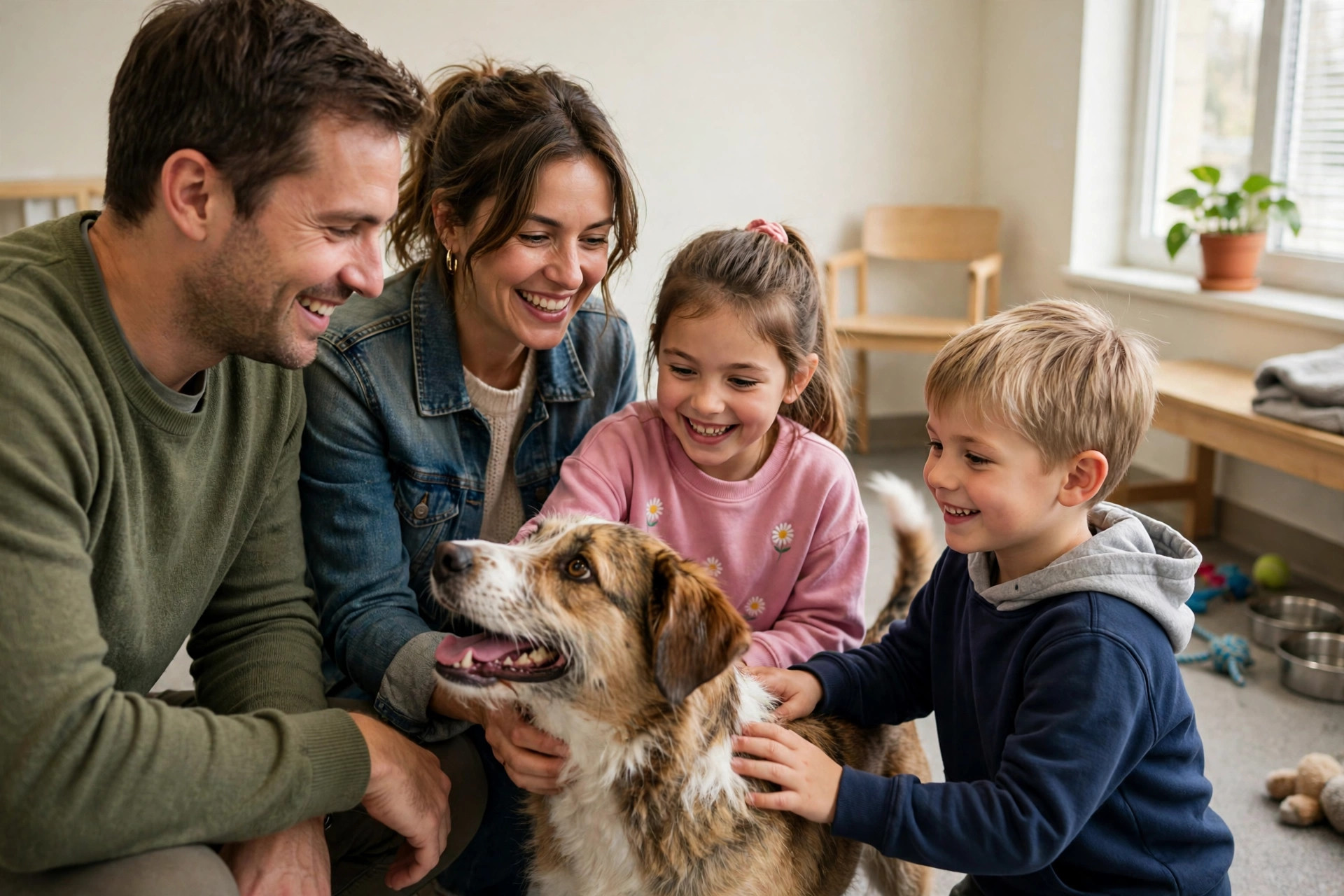
Pet adoption sounds simple from the outside: you see a dog or cat you like, you pay a fee, and you go home together. In real life there are a few more steps than that, and honestly, that is a good thing. The paperwork, the meeting, and the questions along the way are there to protect the animal and to protect you from a match that was never going to work. This guide walks through the process in the order it usually happens, explains what your fee actually pays for, and helps you think clearly about fit before you fall for a face.
Pet Adoption Starts With Where You Look
The first choice is not which animal. It is which kind of organization. A municipal or private shelter is a physical place where animals are housed, cared for, and shown to visitors. You can usually walk in during open hours, meet several animals in one visit, and get a feel for their size, energy, and personality in a way a photo never quite captures. Shelters often care for a wide mix of ages and breeds, including plenty of animals that arrived through no fault of their own.
Rescue groups work differently. Many are foster-based, which means the animals live in volunteers’ homes instead of a building you can visit. That has a real upside: a foster family can tell you how a dog behaves on a couch, whether a cat hides from the vacuum, and how the animal handles kids, stairs, or other pets day to day. The trade-off is scheduling. Meetings happen by appointment, sometimes at the foster home or an adoption event, so the process can take a little longer. Neither route is better. They simply offer different kinds of information.
The Steps, In the Order They Usually Happen
Most adoptions follow the same basic sequence. First, you browse. Look at listings, visit if you can, and try not to decide from a single cute picture. Next comes the application. Expect questions about your home, your schedule, who lives with you, other animals, and your experience with pets. This is not a test you pass or fail. It is how staff start matching, and honest answers help everyone.
After that, you meet the animal properly. Spend real time together, not just five minutes. Watch how the animal responds to you and how you feel around them. Some organizations then do a home check, in person or by video, to look for obvious safety issues and to talk through where the animal will sleep, eat, and spend the day. Then, at many organizations, there is a trial or foster-to-adopt period: the animal comes home for a set stretch of time so both sides can see how it actually goes before anything is final. If it works, you finalize, sign the adoption agreement, pay the fee, and the animal is officially yours. If it does not, a good organization would rather take the animal back than force a bad match.
What the Adoption Fee Usually Covers
People sometimes wonder why adoption costs anything at all. The short answer is that the fee rarely covers the full cost of care. It helps offset some of what the shelter or rescue already spent on that animal. What is included varies by organization, so always ask for the specifics, but adoption fees commonly cover a spay or neuter surgery, age-appropriate vaccinations, a microchip, and a general health check before the animal goes home.
That matters for your budget, because those are services you would otherwise pay for yourself in the first weeks. It also helps to plan for what the fee does not cover: food, a bed, bowls, a leash or litter supplies, and your own first visit to a veterinarian to establish care. Looking into how to find affordable vet clinics for your pets before adoption day means that first checkup is booked and budgeted, not a scramble. Read the adoption agreement before you sign, too. It usually explains what happens if you cannot keep the animal, and most organizations ask that the pet come back to them.
Finding a Pet That Actually Fits Your Life
The best match is rarely the most striking animal in the building. It is the one whose needs line up with the life you already have. Be honest about your schedule. A young, high-energy dog needs serious daily exercise and training time. A calm older cat may be far happier in a quiet apartment with a person who works long hours. Think about space, too: not just square footage, but stairs, a yard or no yard, and how much noise and hair your household can genuinely tolerate.
Budget belongs in this conversation as well. Beyond the adoption fee, there are monthly costs for food and supplies, routine vet care, and the occasional surprise. Some adopters look into finding a good deal on pet insurance as one way to soften the cost of an unexpected illness or injury. There is no required choice here, only an informed one. Finally, talk with everyone who lives in the home. Allergies, fears, and simple enthusiasm all count. An animal brought home to a divided household starts at a disadvantage nobody needs.
The First Month at Home
Expect the first month to be an adjustment for both of you. Many animals need time to decompress, learn the routine, and figure out that this place is permanent. Keep things calm and predictable at first: the same feeding times, the same walking route, a quiet spot that belongs to the animal. Do not worry if a dog seems shy or a cat spends two days under the bed. That is common, and patience does more than coaxing.
Use the month to set up the basics. Register the microchip in your name, book that first vet visit, and start gentle training and house rules from day one, kindly and consistently. Introduce other pets slowly and on neutral terms where you can. And if something feels off, call the shelter or rescue. They know the animal, they have heard it all before, and most would much rather help you through a rough week than get the animal back in a month. A thoughtful start is what turns an adoption into a home.