Egg donation is a deeply personal and generous decision that gives individuals or couples struggling with infertility a chance to start a family. If you’re healthy, compassionate, and interested in helping others, becoming an egg donor could be a rewarding experience—emotionally and financially. This article will walk you through the qualifications, process, risks, and benefits of becoming an egg donor.
What Is Egg Donation?
Egg donation is the process where a woman donates her eggs to be fertilized and implanted in another person or used for research. The eggs are retrieved from the donor’s ovaries after a cycle of hormonal treatment and are often used in in vitro fertilization (IVF).
Recipients may include individuals with fertility challenges, same-sex couples, or single parents by choice.
Basic Qualifications to Be an Egg Donor
While requirements vary by clinic or agency, most egg donors must meet the following criteria:
- Age: 18 to 32 years old (ideal fertility range)
- Health: Physically and mentally healthy, with a healthy BMI
- Non-smoker & drug-free
- No significant hereditary diseases or genetic conditions
- Regular menstrual cycles
- Willingness to undergo medical and psychological screenings
- Availability for several weeks of appointments and procedures
Fluency in English and a college education may be preferred by some agencies but are not always required.
The Egg Donation Process
Here’s a general breakdown of what you can expect when becoming an egg donor:
1. Application and Screening
- Submit an application to a fertility clinic or egg donor agency.
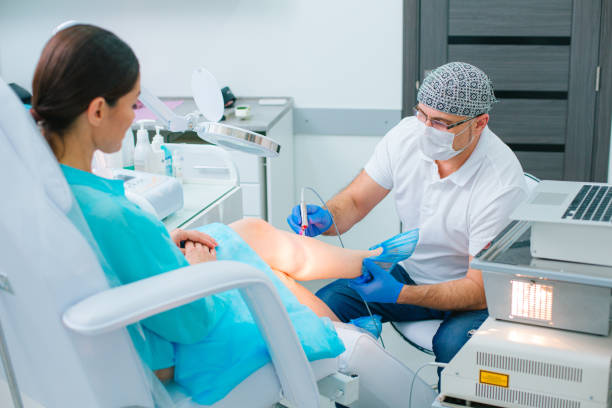
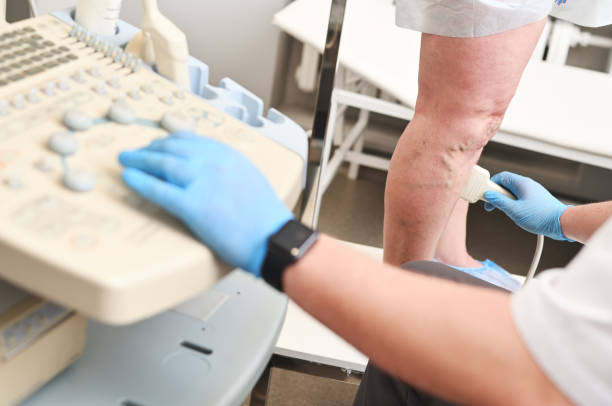
- If selected, you’ll undergo medical evaluations (blood tests, physical exams, ultrasounds), genetic screening, and psychological assessments.
2. Legal and Ethical Consent
- You’ll sign legal contracts outlining rights, responsibilities, confidentiality, and compensation.
- You may remain anonymous or be part of a known donor arrangement depending on the intended parents’ preferences.
3. Hormonal Stimulation
- Over 2–3 weeks, you’ll take injectable hormones to stimulate the ovaries to produce multiple eggs.
- You’ll attend frequent monitoring appointments for blood work and ultrasounds.
4. Egg Retrieval
- The eggs are retrieved in a 20–30 minute outpatient procedure under light sedation.
- No incisions are made—it’s done vaginally using a thin needle guided by ultrasound.
5. Recovery
- Most donors resume normal activity in 1–2 days.
- Some may experience mild cramping or bloating, but serious complications are rare.
Compensation for Egg Donation
Egg donors are typically compensated for their time, effort, and any inconvenience. Compensation varies by region and clinic but often ranges from:
- $5,000 to $10,000 per cycle
- Higher amounts may be offered for repeat donors or specific donor profiles
Medical expenses and travel costs (if needed) are usually covered by the recipient or agency.
Potential Risks and Side Effects
Egg donation is generally safe, but like any medical procedure, it carries some risks:
- Ovarian Hyperstimulation Syndrome (OHSS) – rare but can cause bloating, nausea, and discomfort
- Infection or bleeding – from the retrieval procedure
- Emotional effects – some donors experience feelings of attachment or anxiety, especially with known donations
All potential risks will be discussed in-depth during the screening process.
Why Become an Egg Donor?
Women choose to donate eggs for a variety of reasons:
- Helping others achieve their dream of parenthood
- Financial compensation
- Personal fulfillment from giving a life-changing gift
- Supporting medical research in fertility and genetics
Final Thoughts
Becoming an egg donor is a meaningful decision that requires commitment, medical responsibility, and emotional maturity. If you meet the qualifications and feel passionate about helping others grow their families, the process can be incredibly rewarding. Always work with a licensed fertility clinic or reputable agency, and don’t hesitate to ask questions or seek counseling as part of your journey.